Skip to content

Tackling street violence

Assaults, fights, gang-related activity and crimes involving weapons have serious consequences for individuals and communities across the UK, impacting people’s sense of safety and trust.

Why is street violence a problem?

Street violence stems from complex social inequalities, poverty, and a lack of opportunity, leaving many young people feeling unsafe, helpless, and isolated within their communities.

Crucially, young people are the most likely to be present when an attack happens, meaning their actions in those first vital minutes can be the difference between life and death. Yet, the majority lack emergency medical skills and fear making a mistake, failing, or being implicated.

The scale of the issue

50500

Street violence offences recorded in England and Wales in 2023–2024.

1,500

Young people admitted to hospital after an assault from a sharp object that year.

83%

Proportion of the 64 teenage homicides victims killed by a sharp instrument.

Our public health approach

A collective solution
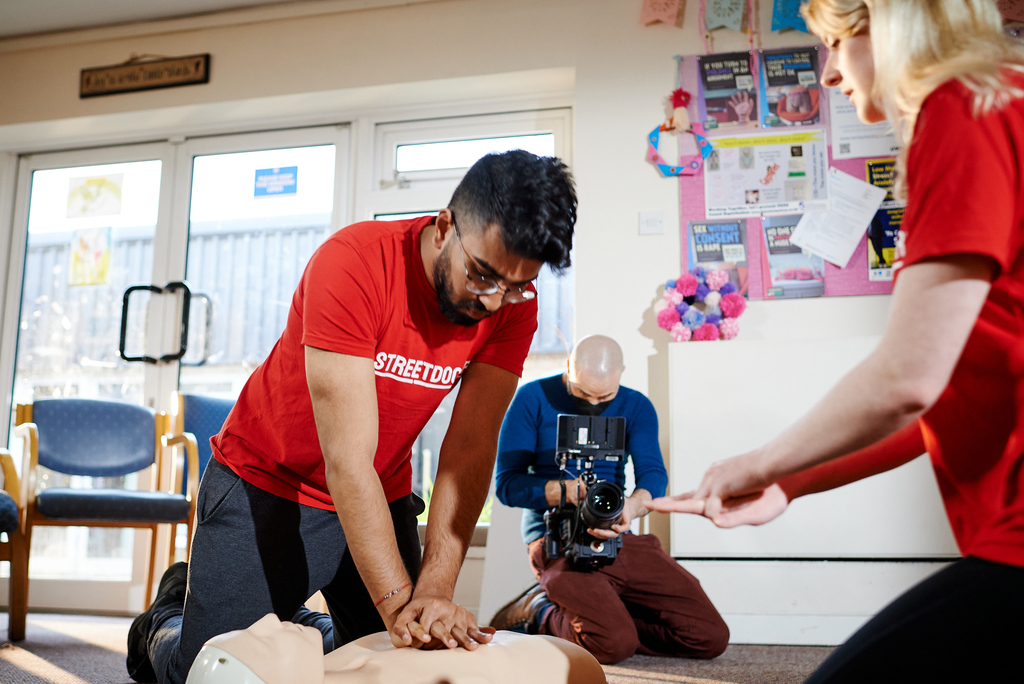
A public health approach addresses the root causes of violence, uniting schools, healthcare, and communities to prioritise safeguarding and create safer environments for young people.

Empowering through education

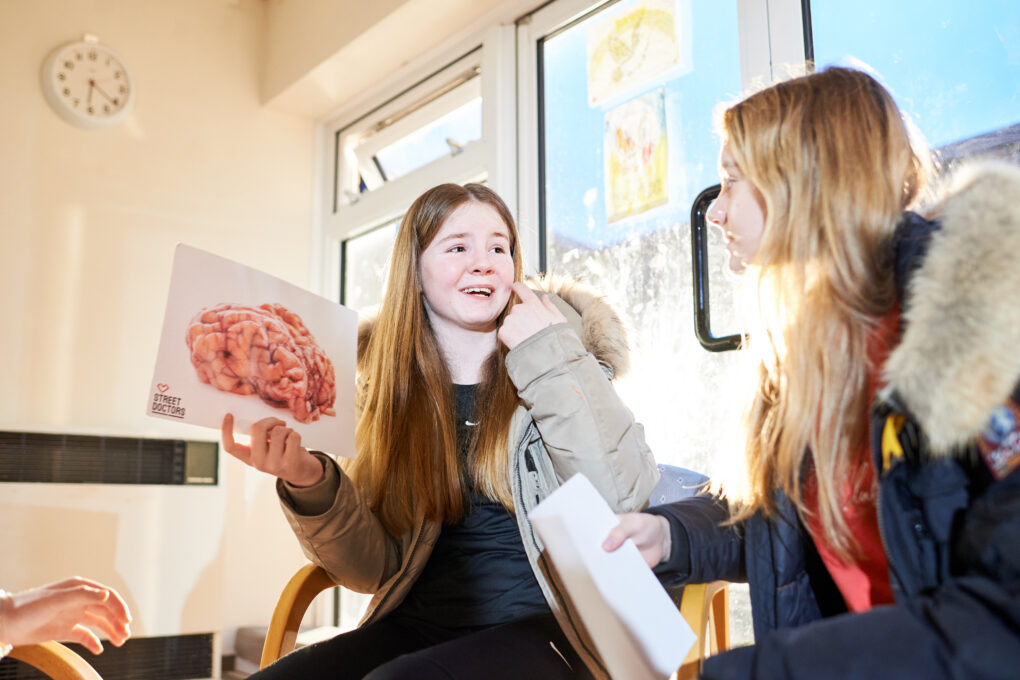
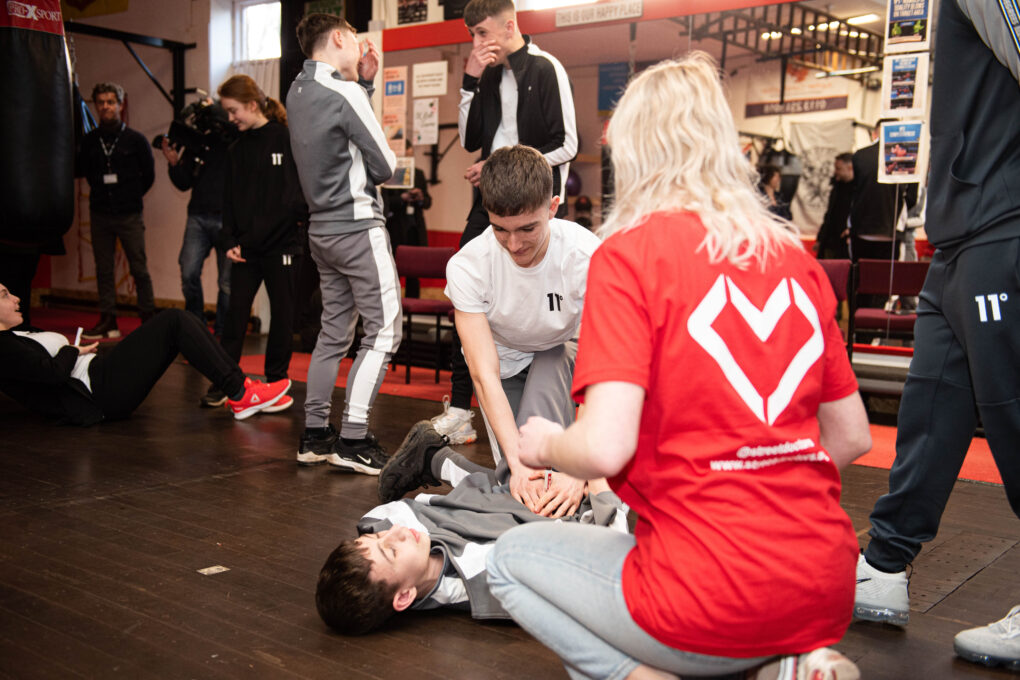
We partner with Violence Reduction Units and bring healthcare volunteers into communities to deliver life-saving first aid training and provide positive role models for youth.

Our training model

Peer-to-peer learning
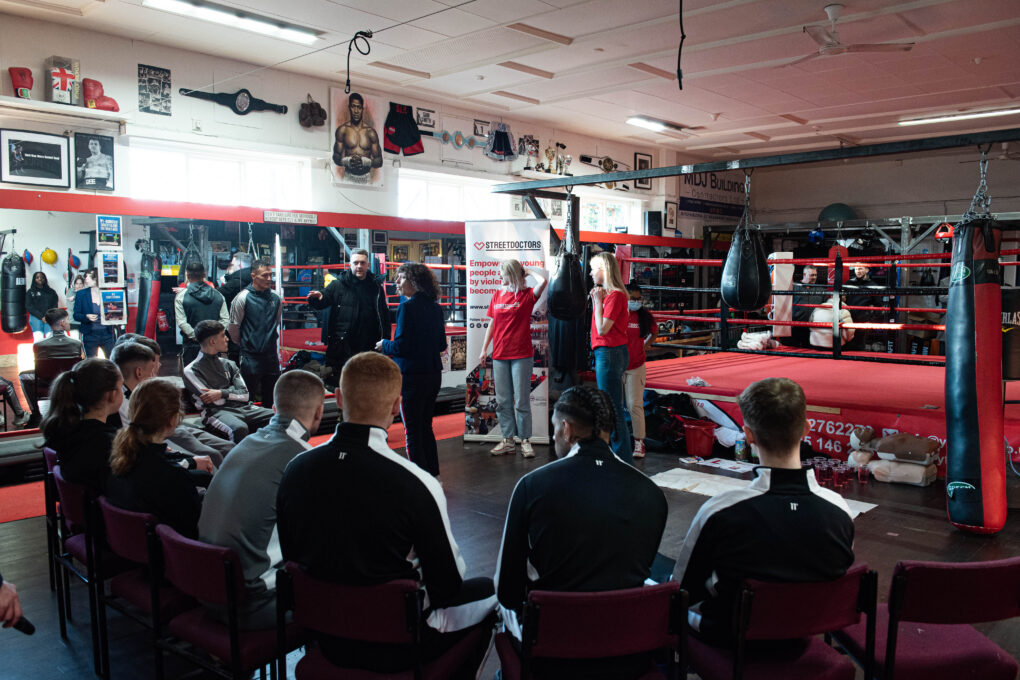
We champion peer-to-peer learning, young people teaching other young people. Seeing and spending time with a role model close in age strengthens our ambition for young people to see themselves as having potential to be lifesavers in their communities.

In-depth knowledge

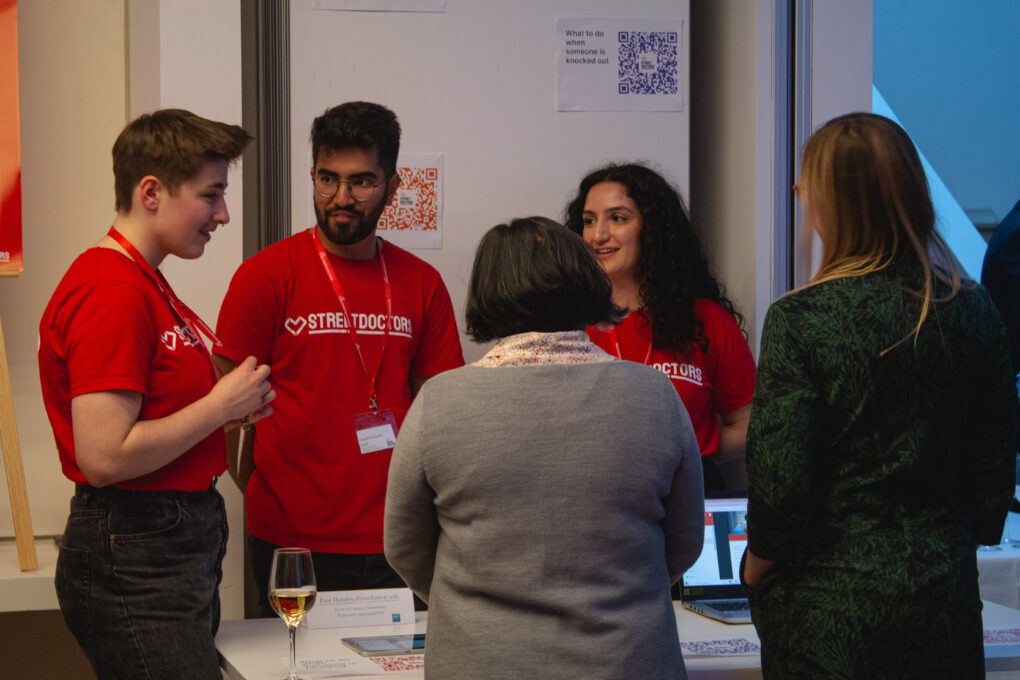
As trainee healthcare professionals, our volunteers have in-depth knowledge of the first-aid, and many see the effects of violence affecting people first-hand. Young people listen to them and respect the experience and knowledge of our trainers.

Mutual benefits

Our training offers mutual benefits: young people learn from our volunteer trainers, and our volunteer trainers learn skills from young people that they can take into their clinical practice to make them better healthcare professionals.

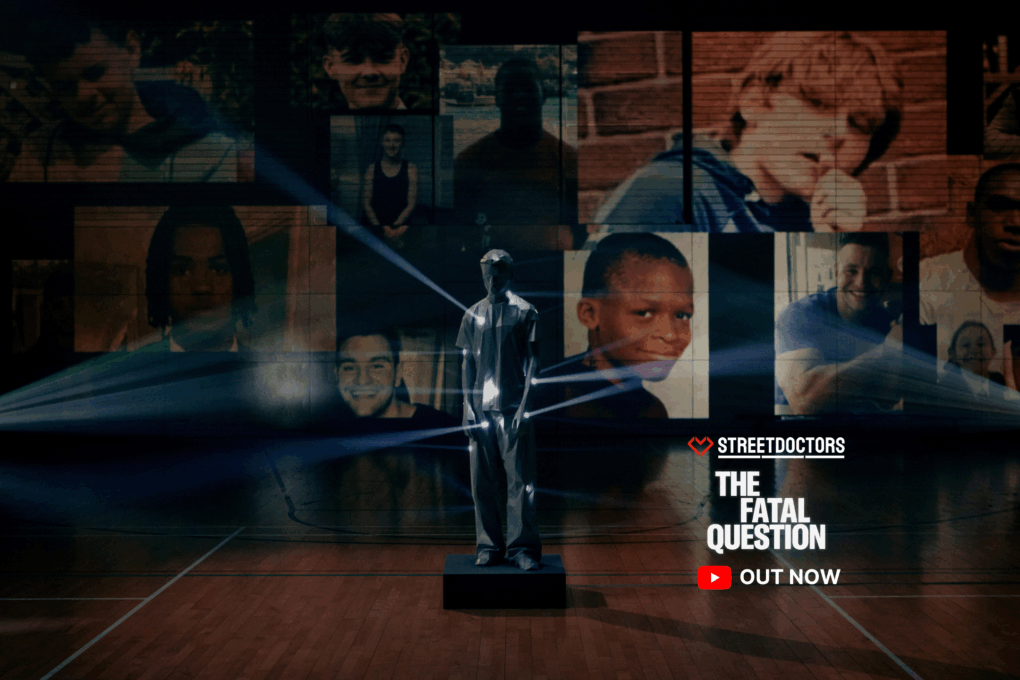
The Fatal Question

View our latest campaign and find out how you can get involved

Find out more

The course changed my life. I had a friend who was stabbed recently. I would have been a lot more help to him if I’d done this course when it happened. I’ve told my friends what I have learnt here, so now they all know the basic first-aid techniques too

Michael, 19